

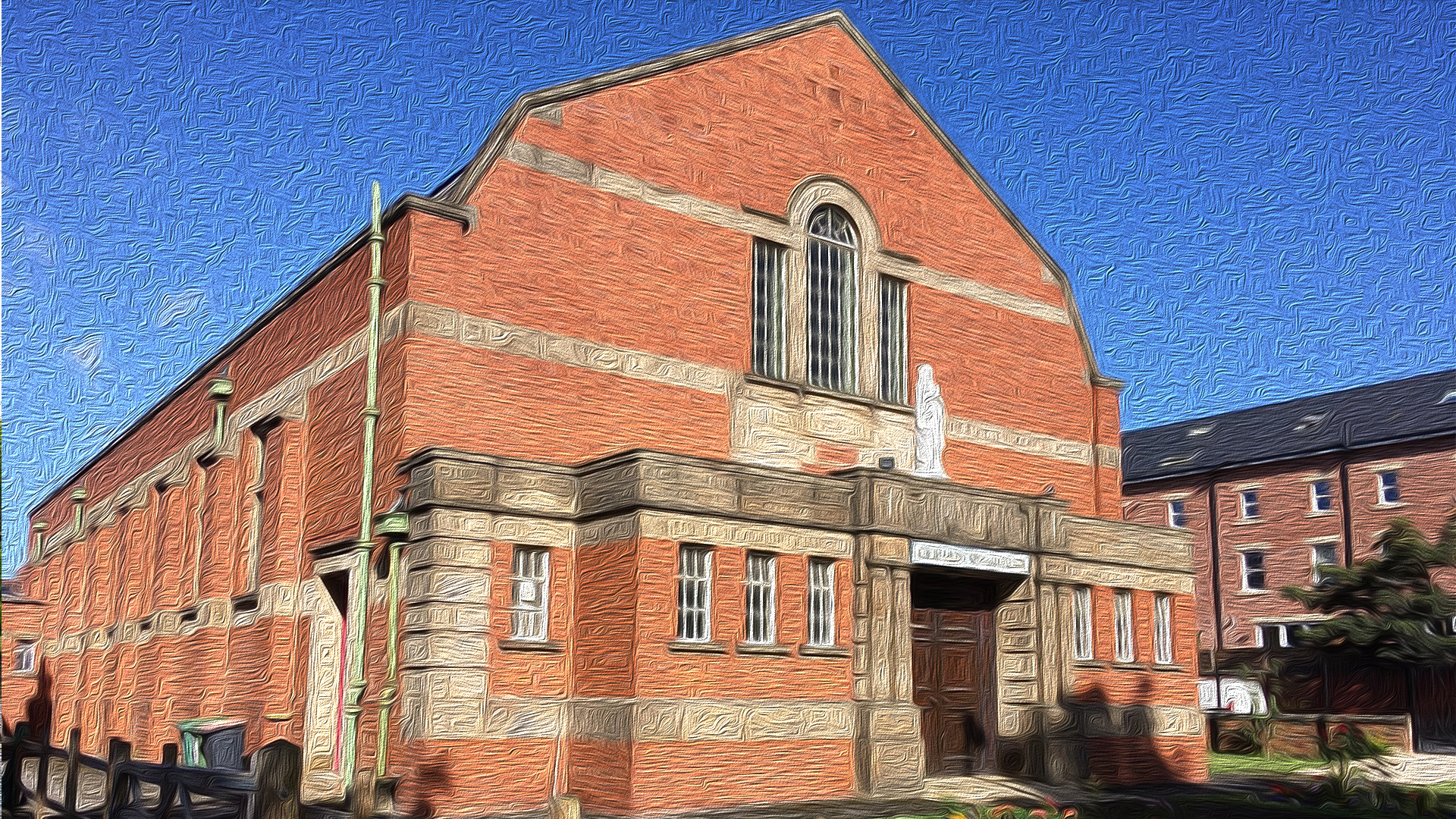

Oh no, you might say, but just to give advance warning of two parish Christmas events, firstly, the ubiquitous annual “Mary’s Bottle Stall”, it’s almost that time of the year to search out things others may enjoy! Secondly the parish “Christmas Fair”, if you would like to help please email the parish office. More information about both of these in the coming weeks.
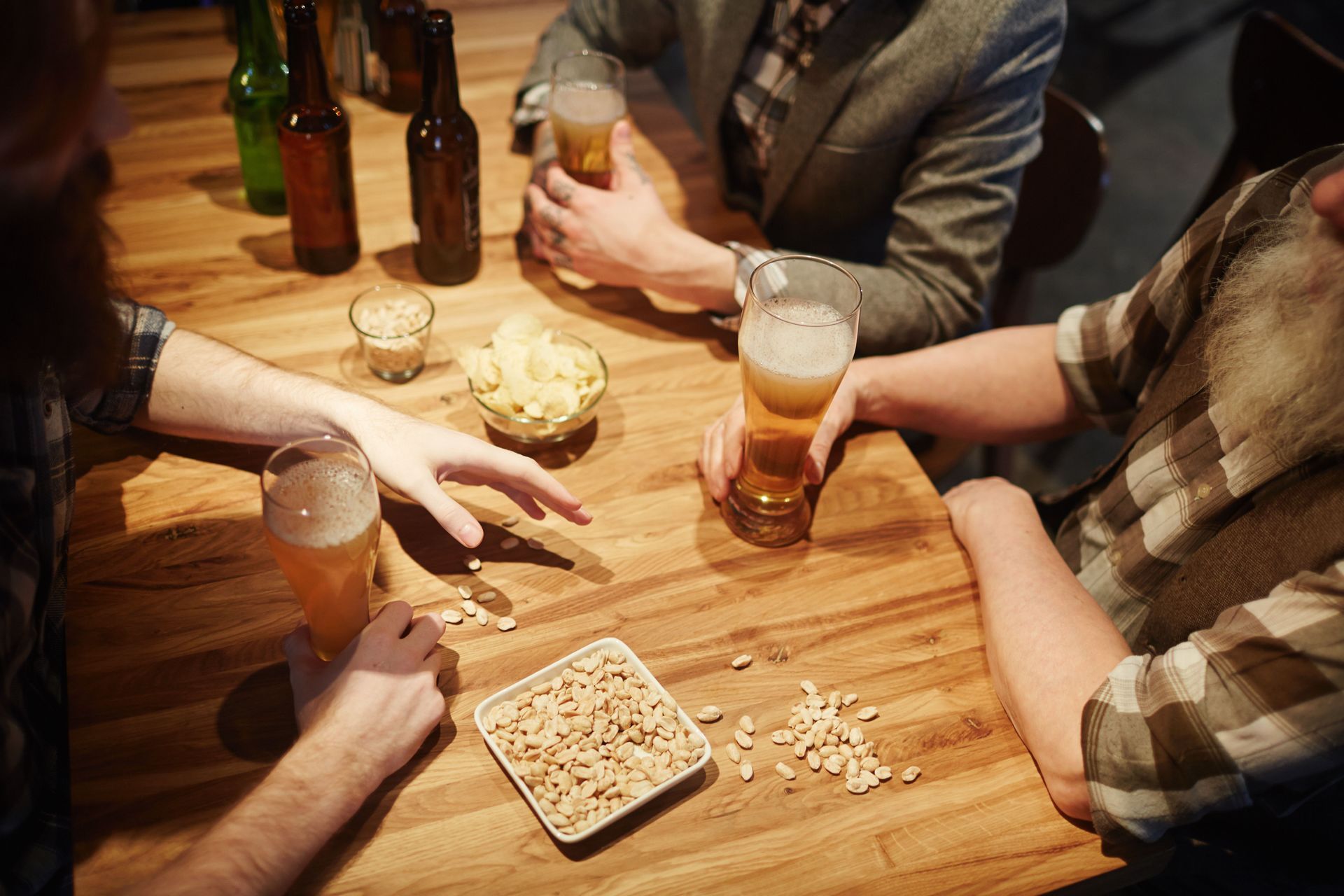
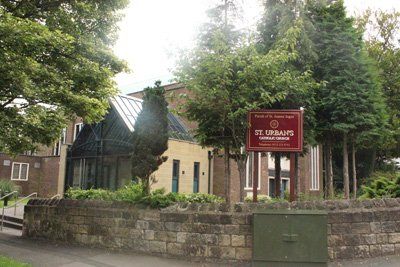
RESUMING OUR PARISH SOCIAL: after a break in which we were delighted to welcome Sarah and Joachim’s new baby, we are resuming our parish social evening just in time for these cooler, darker evenings! These will be the first Tuesday of the month after the evening Mass at St Urban’s church meeting at the Meanwood Tavern on the junction of Monkbridge Road. Come along and meet each other over a drink on the 6th of October. No agendas just a social drink for an hour or so after Mass. Everybody’s Welcome!”
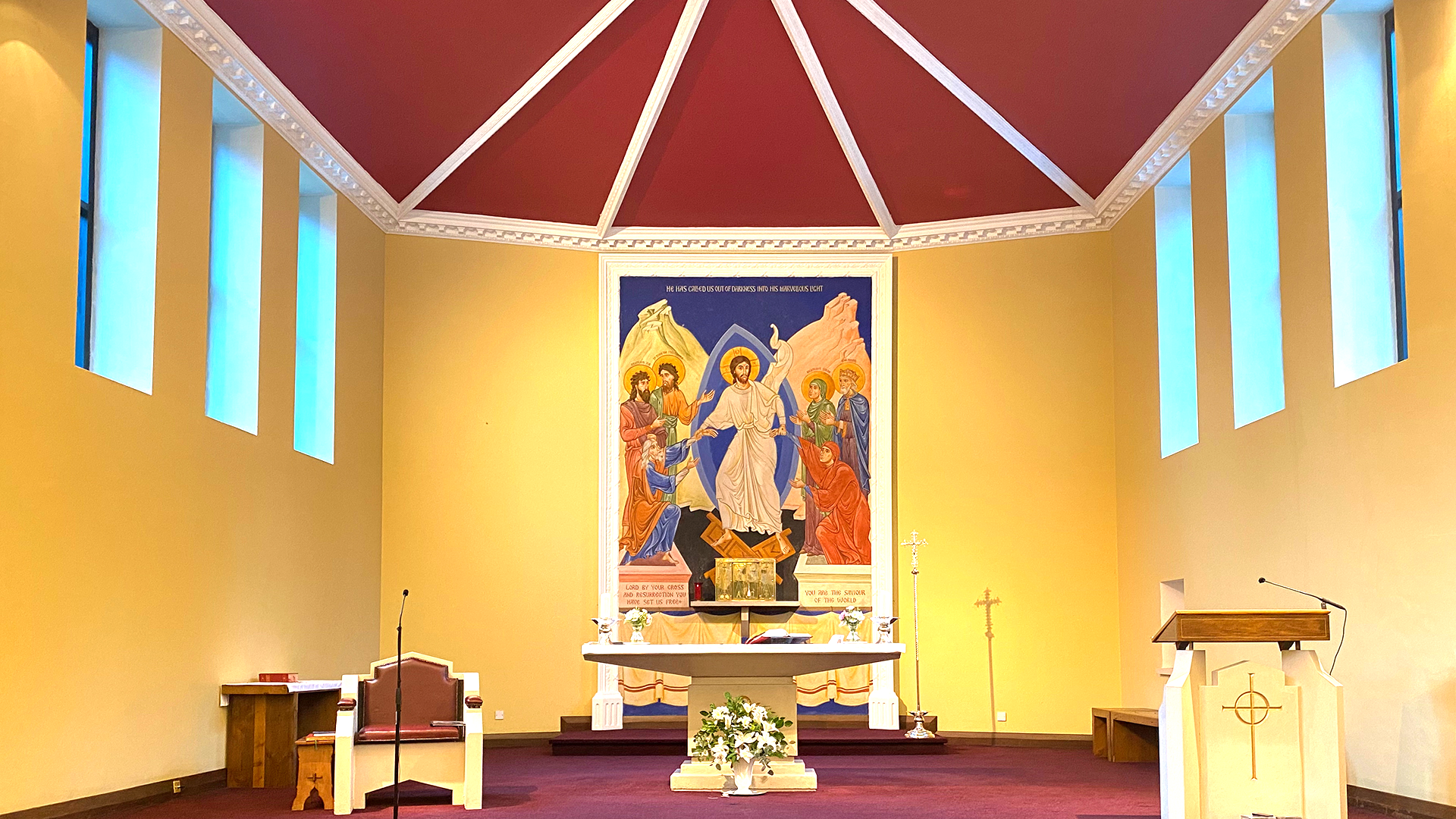
If you come to church in the parish but are not a Catholic, or if you know someone who wishes to explore becoming a Catholic, preparation sessions will commence on Wednesday the 7th of October at 6.30pm in the meeting room at St Urban’s with the intention of people being received into the church at next Easter. Also, Catholics who would like a “refresher” on the faith are very welcome to join too. At the first meeting we will discuss what days and times for future meetings suit people best. Fr Chris
A new Diocesan free monthly newspaper will launch on the 4th of October . Keep an eye out for it at the back of our churches. Items for publication are invited!

40 DAYS FOR LIFE - prayer, fasting and peaceful vigil near the MSI abortion facility, Leeds, 23 September to 1 November, 7am to 7pm. The last sign of hope and first sign of mercy to those attending MSI Leeds. Over 24,000 lives have been saved by campaigns worldwide since 2007. To get involved as a prayer partner or as a vigil volunteer contact: Chris Redding 07815 681343 email 40daysforlifeleeds@gmail.com . Further information at www.40daysforlife.com/leeds

“Our Lady of Unfailing Help! Pray that the Lord of the Harvest will send labourers into His harvest and that He will grant an abundance of vocations to the priesthood, diaconate and religious life within the Diocese of Leeds, and throughout the world. Amen.” This coming Wednesday is the first of St Padre Pio and will mark the 9th anniversary of my entry into the Pontifical Beda College in Rome to begin four years of training for the priesthood. Though it was challenging (as is the life and ministry of the priest) it is something I absolutely do not regret. If any man is thinking about if the Lord is calling them to the priesthood, or the permanent diaconate, please do speak to me. Do not think that the Lord’s call is a kind of “blinding flash” of inspiration (mine certainly was not), it may be just something you may find speaking to you quietly, but insistently in your mind and soul. Fr Chris

CAFOD FAMILY FAST DAY is on Friday 2 October. It is a day when we are invited to pray, eat simply and give generously. Giving to CAFOD puts our faith into action and enables us share God’s love with our neighbours overseas helping communities support children to stay in school with better access to water, nourishing school meals, and gardens where food can be grown, even during times of drought. Please collect a CAFOD envelope as you leave church.
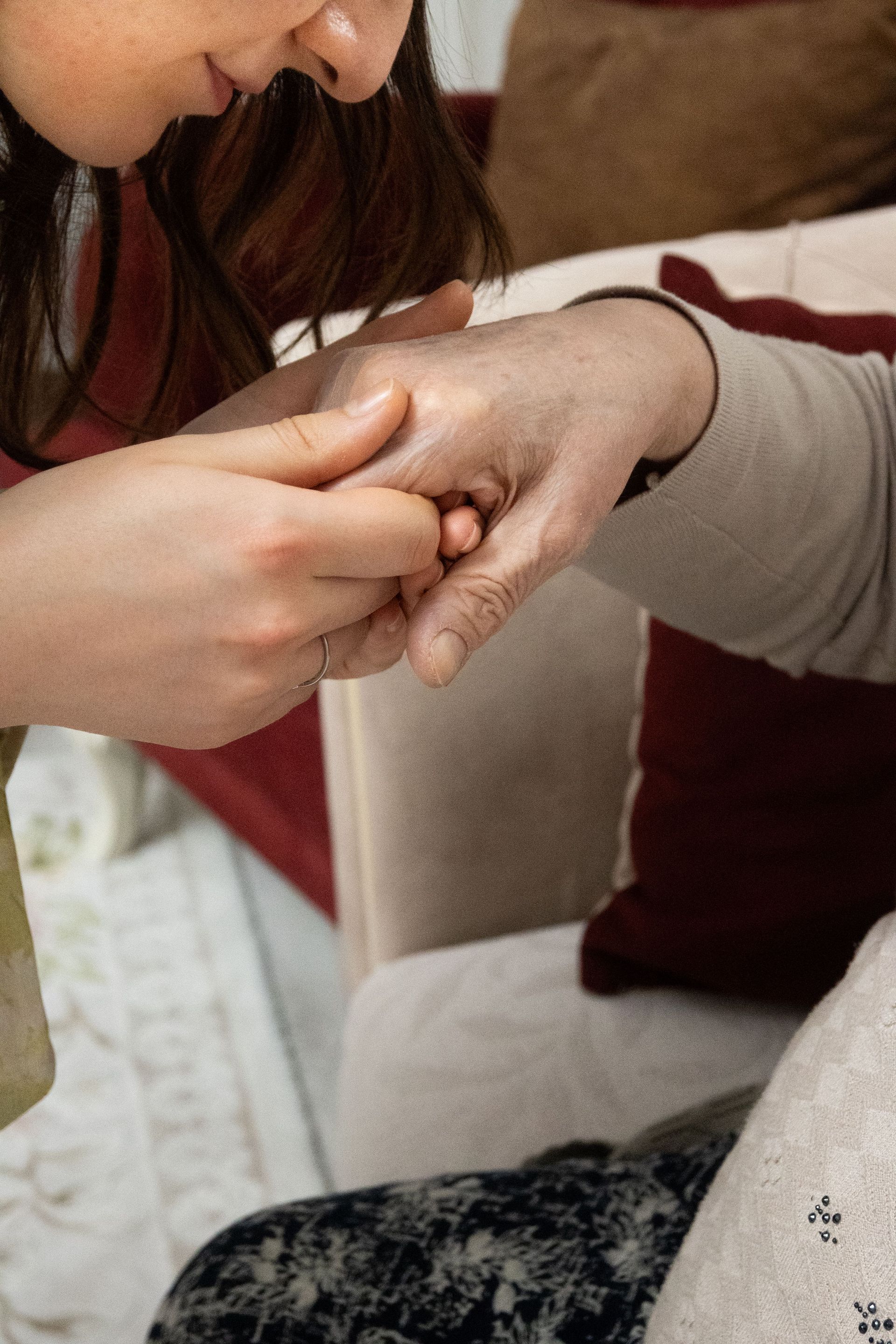
Tuesday 13 October 2026, 10am1:30pm, Cathedral Hall, Leeds. This event, hosted by Growing Old Grace-fully will explore Catholic Social Teaching regarding the blessings of later life, led by theologian Dr Peter Kevern. To book a place, please email growing.old.gracefully@dioceseofleeds.org.uk
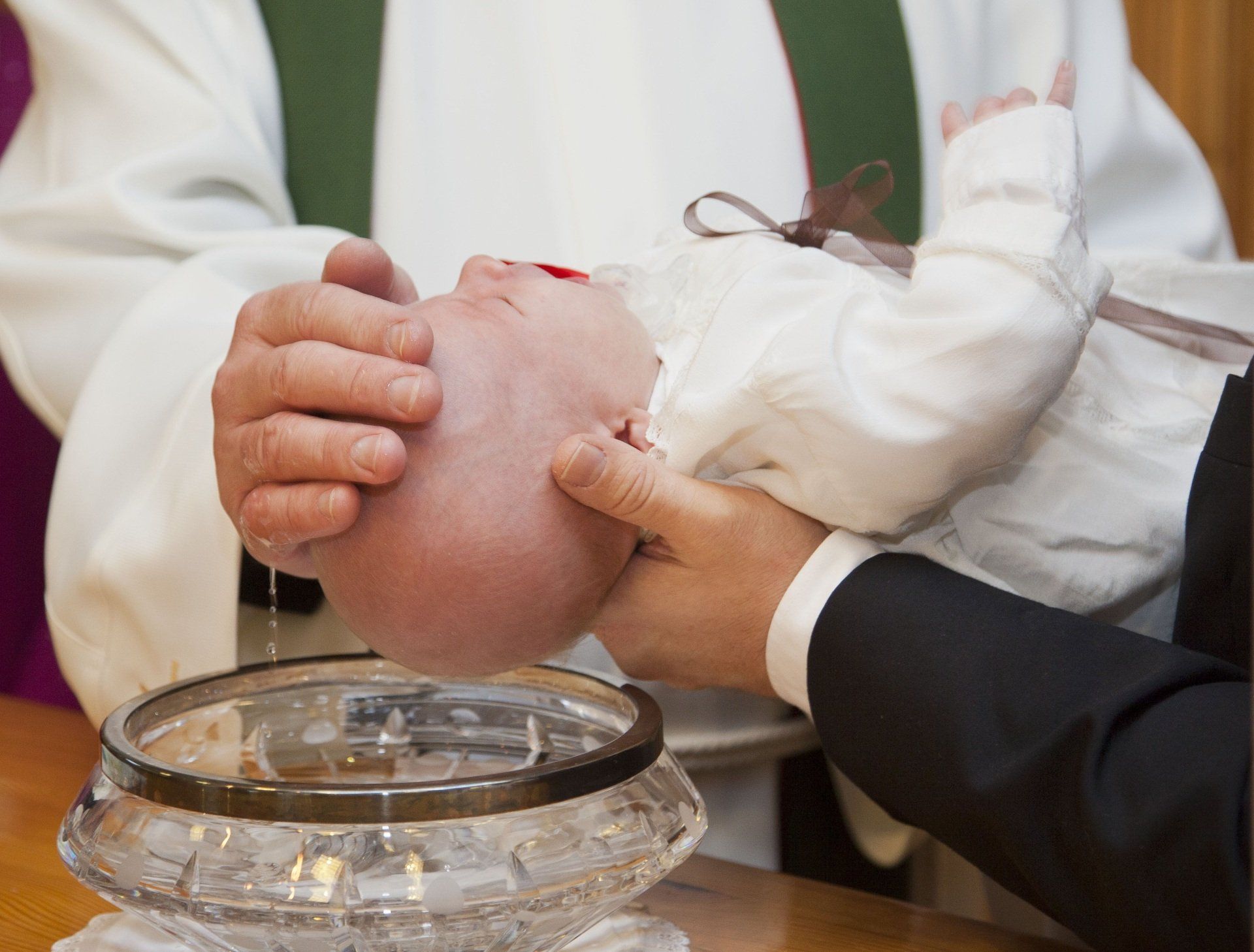
BAPTISM PREPARATION: the next baptism preparation session will be Saturday the 26th of September at 2.00pm in the meeting room at St Urban’s. Registration forms are available from the parish office.
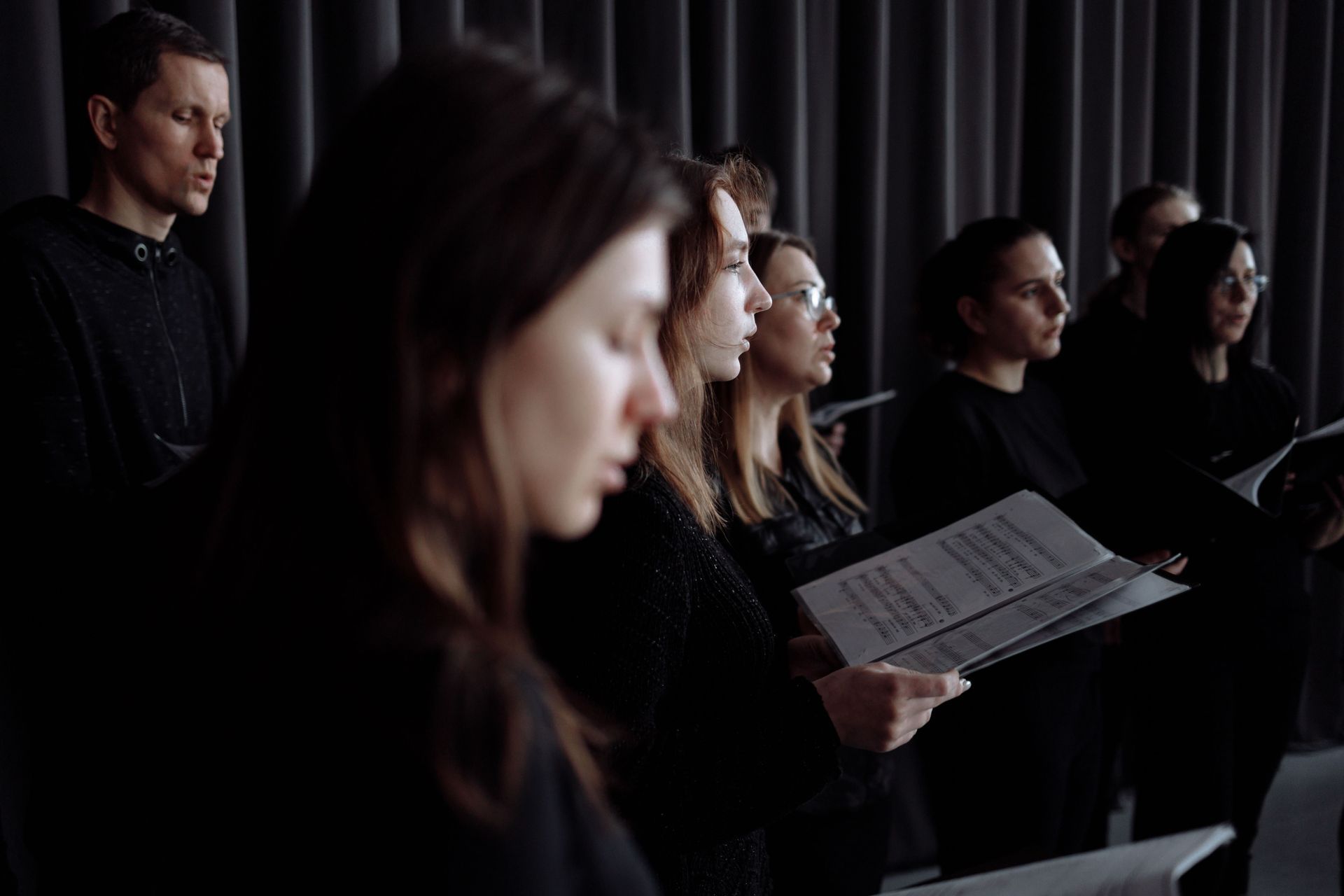
A sincere thank you to those who have expressed an interest in singing. I have discussed this with Jenny and Silvia. To get things moving, for those who have expressed an interest at St Urban’s, please come up to the choir loft for 10am on Sunday the 11th of October. Please be assured that information will be sent out in advance. It will be great to make a start and see where things go. Concerning volunteers for Our Lady of Lourdes, watch this space!
RESUMING OUR PARISH SOCIAL: after a break in which we were delighted to welcome Sarah and Joachim’s new baby, we are resuming our parish social evening just in time for these cooler, darker evenings! These will be the first Tuesday of the month after the evening Mass at St Urban’s church meeting at the Meanwood Tavern on the junction of Monkbridge Road. Come along and meet each other over a drink on the 6th of October. No agendas just a social drink for an hour or so after Mass. Everybody’s Welcome!”
CAFOD FAMILY FAST DAY is on Friday 2 October. It is a day when we are invited to pray, eat simply and give generously. Giving to CAFOD puts our faith into action and enables us share God’s love with our neighbours overseas helping communities support children to stay in school with better access to water, nourishing school meals, and gardens where food can be grown, even during times of drought. Please collect a CAFOD envelope as you leave church.
This coming Tuesday I am attending a friend’s funeral in London. Given this I am sorry to say that there will be no devotions and Mass on Tuesday evening. There will be Mass on Wednesday but as I am travelling back from London this will be in the evening at 06:00pm . I apologise for the inconvenience. Fr Chris
Dear Brothers and Sisters, How obedient were you as a child? Were there occasions when you said “yes” to a request from your mum and dad and then ignored it? And what about as an adult? Do you ever say one thing for a quiet life and then do something else? I guess that if we are honest with ourselves at some point we have all been either of the two sons in this Sunday’s gospel. When I was in the seminary in Rome, I was there for the canonisation of St John Henry Newman. It was on a Sunday morning and it was decided that there would be no Mass in the College to give us all an opportunity to go to St Peter’s Square. For some reason I was not enthusiastic about going as I knew that it would be very hot and crowded and I decided to go to Mass more locally without telling anyone. Was it a decision based on logic or was I succumbing to a temptation? However as the time for the canonisation drew near, I felt an impulse to go to St Peter’s and with God’s help I made it on time. Yes, it was hot and very crowded but I was glad I was there. With the inspiration of the Holy Spirit, and the help of my guardian angel (whose feast we mark later in the week), I went from duplicity, and what would have been dishonesty, to at least having a measure of integrity. Do you have your own story? How did it end? Good outcome or bad? Light or dark? This Sunday’s gospel shows one of three parables that Jesus puts together to drive home to His listeners, the religious establishment, the need for belief in Him and His kerygma (or proclamation) of the kingdom. During this sequence in the gospel Jesus declares to the authorities that they are subject to divine disfavour, something that it must have been difficult to hear let alone own in their hearts. Worse than that, the lowest of the low – tax collectors (Roman collaborators, embezzlers and little more than criminals) and prostitutes – were closer to the kingdom than them. Can you imagine that happening here and that being said directly to you? What would your response be? The same outrage as that of the Jewish elders perhaps? What is the point that Jesus wants to make in this Sunday's parable? What is the change He is seeking? As with many of Jesus’ parables it is capable of more than one interpretation. One interpretation is that the father in Sunday's parable is God; the first son represents the tax collectors and the prostitutes, who despite their failings come to obey God, initially through the ministry of John the Baptist. The second son represents the chief priests and the elders who, despite their religious profession and their important position disobeyed God by not believing first in John’s ministry and then in Jesus’ teaching. And more than that, Jesus characterises His opponents as hypocrites; worse still for His listeners He tells them that rather being at the front of the heavenly queue for salvation they are, at best, firmly at the back. What are we to make of this? What does it mean for us? Well, merely coming to church, just showing up, is not enough. Do we take time to seriously consider the implications of Jesus’ teaching for our own lives? Week after week, do we just listen to the familiar stories but see them as somehow only having a fleeting meaning for our own lives? John, and then Jesus, still call us to move from a mere reception of words to "metanoia", a change of mind, a reorientation, a fundamental transformation of outlook of our vision of the world and of ourselves, loving God and others. This is big stuff, frightening stuff, overwhelming. Yes it is, certainly on our own, but we are not alone, through the grace and power of the word of God and the sacraments, Jesus Himself is always with us. Where and how can we start this change in our lives? Perhaps begin each day with a simple commitment to God, a few words will do; perhaps in the day do a simple act of kindness; perhaps at the end of the day a look back calling into minds, hearts and souls the actions of God which, I promise you, you will find. Do not lose hope or trust, Jesus understands our frailty but also our desire to be like Him, and our commitment to this. If we do our best to love Jesus He will come to us, we have His word for it; He always keeps his promises. As always, please accept an assurance of my daily prayers for your needs and intentions. God bless and keep you. Fr Chris
BAPTISM PREPARATION: the next baptism preparation session will be Saturday the 26th of September at 2.00pm in the meeting room at St Urban’s. Registration forms are available from the parish office.
Pope Francis
If peoples are to remain brothers and sisters, prayer must rise unceasingly to Heaven, and one single word constantly echo on earth: peace.